Independent Travel Connectivity Research  ·  Editorial Independence Statement
Traveler at European airport with smartphone
Travel Connectivity Research

Navigating Europe's Mobile Frontier

An independent editorial resource for travelers, digital nomads, and remote workers seeking clarity on eSIM technology, roaming alternatives, and mobile connectivity across European borders.

Vol. IV  ·  European Connectivity Edition  ·  Summer 2025

Featured Research

All Research →
Digital nomad working at European café
eSIM Technology

How eSIM Technology Is Reshaping European Travel Connectivity

The embedded SIM standard has quietly transformed how international travelers manage mobile data across EU member states, eliminating the need for physical SIM swaps at every border.

By Helena Marsh  ·  14 min read
Airport terminal with travelers
Roaming Research

The True Cost of Roaming: What Travelers Pay vs. What They Could Pay

Despite EU roaming regulations, many travelers still overpay for international data. Our research examines the gap between standard roaming rates and alternative connectivity solutions.

By James Corfield  ·  11 min read
Business traveler with laptop at train station
Digital Nomad Guide

Connectivity Planning for Long-Term European Remote Workers

Remote workers spending months across multiple European countries face unique connectivity challenges. We examine the strategies that experienced digital nomads rely on.

By Priya Nair  ·  18 min read
Understanding Connectivity

The Modern Traveler's Guide to Mobile Connectivity in Europe

For most of the 21st century, international travelers faced a frustrating binary choice: pay exorbitant roaming fees to their home carrier, or queue at airport kiosks for local SIM cards. Neither option was particularly elegant, and both carried hidden costs that only became apparent after the trip.

The emergence of eSIM technology—and the ecosystem of virtual mobile network operators (MVNOs) that has grown around it—has fundamentally altered this calculus. Today, a traveler can purchase a data plan for a two-week trip across France, Germany, and the Netherlands before their flight even departs, activating it remotely with a QR code scan.

But the proliferation of providers has introduced its own complexity. Dozens of companies now offer European travel data plans, each with different coverage footprints, data caps, speed throttling policies, and customer support standards. Understanding these differences requires more than reading a provider's own marketing materials.

Border Ledger exists to provide that independent perspective. Our editorial team researches the eSIM and travel connectivity landscape with the same rigor applied to any technology publication—examining technical specifications, analyzing coverage claims, and contextualizing provider offerings within the broader telecommunications landscape.

Traveler using smartphone for navigation European city travel Remote worker with laptop outdoors Train travel in Europe
eSIM Ecosystem

How the eSIM Landscape Works

Understanding the technical and commercial architecture behind modern travel connectivity solutions.

The eSIM Standard

eSIM (Embedded SIM) is a programmable SIM chip soldered directly into a device, eliminating the need for a physical SIM card. The GSMA's RSP specification governs how profiles are downloaded and managed remotely.

MVNO Architecture

Most travel eSIM providers operate as Mobile Virtual Network Operators, leasing network capacity from established carriers. This model allows them to offer competitive pricing while relying on existing infrastructure.

Coverage Networks

Coverage quality depends on the underlying network partnerships a provider maintains in each country. A plan covering "Europe" may route through different national carriers with varying 4G/5G availability.

Device Compatibility

eSIM support varies by device manufacturer, model, and region. Most flagship smartphones released after 2018 include eSIM capability, though carrier-locked devices may restrict profile installation.

Research Insights

European Connectivity Trends & Analysis

Our ongoing research program tracks traveler connectivity patterns, provider market share, and infrastructure developments across the European telecommunications landscape.

Read Full Analysis
73%
of frequent European travelers report dissatisfaction with standard roaming charges from their home carrier, according to independent consumer surveys.
40+
travel eSIM providers now operate in the European market, a figure that has tripled since 2020 as the technology reached mainstream device adoption.
5G
coverage is now available in major urban centers across 27 EU member states, though rural and cross-border coverage remains inconsistent for many providers.
€0.02
per MB is the EU-regulated maximum roaming rate, yet many travelers remain unaware of their rights under the Roam Like at Home regulation framework.
Country Coverage

Connectivity by Destination

All Countries →
Germany
Germany
France
France
Spain
Spain
Italy
Italy
Netherlands
Netherlands
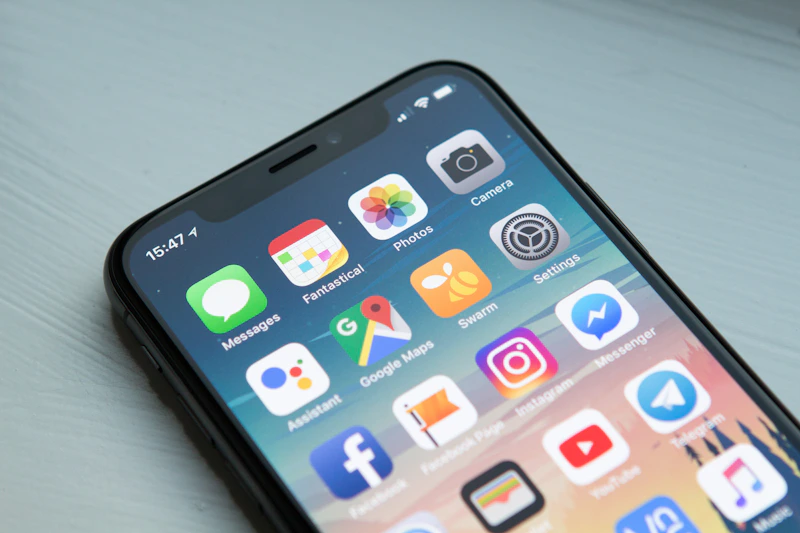
Smartphone eSIM compatibility
Device Ecosystem

eSIM Compatibility Across Device Categories

The eSIM ecosystem spans smartphones, tablets, laptops, and smartwatches—but compatibility is not universal. Understanding which devices support eSIM, and under what conditions, is essential for travel connectivity planning.

Apple's iPhone lineup has included eSIM support since the iPhone XS (2018), with newer models in certain markets shipping as eSIM-only devices. Samsung's Galaxy series added eSIM from the S20 generation onward, while Google's Pixel phones have offered eSIM since the Pixel 3.

Carrier-locked devices present a significant complication. A device purchased through a mobile carrier may be locked to that carrier's network, preventing the installation of third-party eSIM profiles even if the hardware supports the technology.

iPhone
XS and later
Android
Varies by model
Tablets
Cellular models
Common Questions

Frequently Asked Questions

What is an eSIM and how does it differ from a regular SIM card?
An eSIM (embedded SIM) is a programmable chip built directly into your device during manufacturing. Unlike a physical SIM card that you insert and remove, an eSIM stores carrier profiles digitally. You can download a new carrier profile remotely using a QR code or app, without needing to physically handle any card. This makes it particularly convenient for international travel, as you can switch between providers or add a travel data plan before you even leave home.
Does EU roaming regulation mean I don't need a travel eSIM?
The EU's "Roam Like at Home" regulation (extended through 2032) means that EU/EEA residents traveling within the EU/EEA can use their domestic data allowance without additional charges. However, this applies only to EU/EEA residents with EU/EEA carriers. Travelers from outside the EU, those with limited domestic data plans, or those visiting non-EU European countries (Switzerland, UK, Turkey, etc.) may still benefit significantly from a dedicated travel eSIM.
How do I know if my phone supports eSIM?
On iPhone, navigate to Settings → General → About and look for an "Available SIM" or "Digital SIM" section. On Android, go to Settings → Network & Internet → SIM cards (or Mobile Network) and look for an "Add eSIM" or "Download SIM" option. You can also check your device's specifications on the manufacturer's website. Note that even if your device supports eSIM hardware, it may be carrier-locked, preventing the installation of third-party profiles.
View All 25+ Questions →

The Connectivity Dispatch

Monthly research briefings on European travel connectivity, eSIM market developments, and traveler technology trends. No promotional content.

We respect your privacy. Unsubscribe at any time. See our Privacy Policy.